
































Bond yields are roughly flat this week, so fixed rates are unlikely to move much in the next few days.
Lock a 120-day rate hold
Mortgages · Refinancing · Business capital
Let 50+ lenders compete for your mortgage.
Buying, renewing, consolidating debt or funding your business — you’ll see your real options in minutes, and a licensed broker will negotiate the best one for you.
- One application, 50+ banks & lenders compared
- No cost to you on most residential mortgages
- Answers today — not next week

Pre-approvedRate held for 120 days

Will BaloLicensed Mortgage Agent · You deal with me directly
0+Banks & lenders compared
0 minTo start your application
Same dayTypical response time
$0Cost on most residential mortgages*
One application reaches banks, monolines, trust companies & alternative lenders
Today’s market · Thursday, November 19
Know what rates are doing before your bank calls.
Market
- Bank of Canada rate2.50%+0.25
- Prime rate4.70%+0.25
- 5-yr bond yield3.52%−1 bps
- 5-yr posted rate6.19%+0.10
- Next BoC decisionDec 920 days
Yields up 18 bps this week — a good time to lock a rate holdFixed-rate pulseHolding steady Tip of the day · Buying Term of the dayAmortization
The 5-year Government of Canada bond yield was little changed at 3.53% on Tuesday, November 17, up 18 basis points over the past week. Prime is 4.70%, and the next Bank of Canada decision…
Read in 2 minutesBuying a condo? Lenders count half of the monthly condo fee in your debt ratios, so a high fee shrinks how much you can borrow.
The total time it takes to pay your mortgage off completely.
Browse the glossary
The problem
Most Canadians accept the first mortgage offer they’re given. For many, it becomes the most expensive signature they’ll ever make.
- Your bank offered one rate…and called it their best.
- A renewal letter showed up…and signing felt easier than shopping.
- You’re self-employed…and the bank didn’t get how you earn.
- Debt keeps growing…while your home equity sits idle.
Nodded at even one? Keep scrolling — this is where it gets interesting.
What does “just taking the offer” really cost?
Slide to your mortgage size and pick a rate gap. Even a small difference adds up fast over a single five-year term.
Rate difference
Extra interest you could pay over 5 years
$0
Illustration: interest paid over a 5-year term at 4.50% vs. 4.50% + the selected difference, 25-year amortization. Your savings depend on your profile and the market.
Find my lowest rateHere’s how we flip the script.
Instead of one bank making you an offer, 50+ lenders compete for you — and you see the whole picture before you sign anything.
-
1
You tell us what you want
Buy, refinance, renew, invest or grow your business. A few simple questions from your phone — no credit check to start.
-
2
50+ lenders get checked — at once
Your profile is compared against banks, monolines, trust companies and credit unions. The ones that fit rise to the top.
-
3
You choose with total clarity
Your broker lays out your best options side by side — rate, penalties, flexibility — in plain English. No pressure. No fine-print surprises.
-
4
Sign from your phone. Get your keys.
Upload documents securely, e-sign in minutes, and we keep everyone — you, your Realtor, your lawyer — moving to closing day.
Start step one now
So, where do you want to start?
Pick the one that sounds like you. We’ll take it from there.
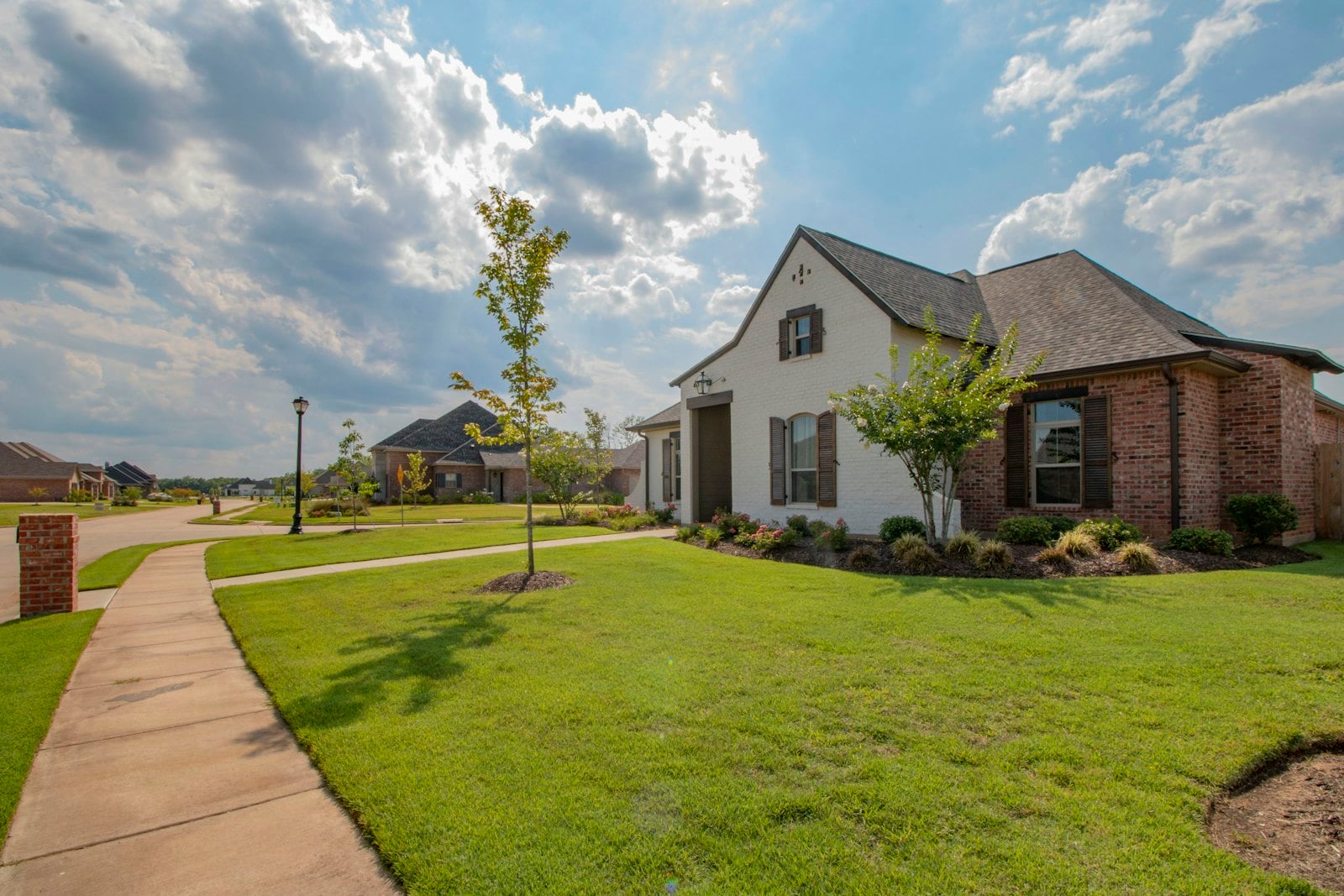 First-time & move-up
Buy a home
Know exactly what you can afford, then shop with a pre-approval sellers take seriously.
 Lower payments
Refinance & consolidate
Turn high-interest payments into one lower payment and free up cash every month.
 No stress test to switch
Renew or switch
Before you sign that renewal letter, see what 50+ lenders would offer you instead.
 Portfolio friendly
Invest & BRRRR
Purchase, renovation and refinance financing — structured by an active investor.
 For owners
Business capital
Loans, lines of credit, equipment and commercial mortgages for business owners.
 Tax-free cash
Equity at 55+
Turn home equity into tax-free cash — with no monthly payments required.
Now picture it with your numbers.
Two quick tools. Play with them — then let us turn the estimate into a real offer.
Imagine next month with one payment instead of four.
- Free up cash flow every single month
- Give your credit score room to recover
- Options even if your credit isn’t perfect
Before$1,522/mo
- Credit card$18,000 · 21.99%$540
- Car loan$22,000 · 8.99%$457
- Line of credit$15,000 · 9.95%$375
- Store card$5,000 · 29.99%$150
After$332/mo
One mortgage payment$60,000 added at 4.50% · 25 yrs
Monthly cash flow freed+$0
Illustrative example only. Extending debt over a longer amortization can increase total interest paid; prepayment penalties, legal and appraisal costs may apply. Your numbers will differ.
Your bank offers its rates. We make banks compete.
Your bankBALO FINANCIAL
Lenders comparedOne50+ banks, monolines & alternatives
Monoline lenders & credit unions
Alternative & private optionsRarely
Penalty & fine-print negotiationRarely
Re-shops your renewalEvery term
Investor & business expertiseVaries
Digital application, upload & e-signVaries
Cost to youBuilt into rate$0 on most residential*
*Lender-paid compensation on most prime residential mortgages. Fees for alternative, private or commercial financing are disclosed in writing before you proceed.

FundedEquipment + working capital
You run the business. We’ll find the capital.
We package your business once and put it in front of lenders that understand your industry, your revenue and your timeline.
Licensed Mortgage AgentFSRA · M22004590
The person behind it
“I’ll tell you what your bank won’t — then I’ll go find you something better.”
I’m Will Balo — licensed mortgage agent, Realtor and real estate investor. I built Balo Financial for people who want straight answers, fast responses and someone in their corner who understands every side of the deal.
When you start your application, I personally review your file, compare 50+ lenders and walk you through the trade-offs in plain English — so you decide with confidence.
A real reply, fastTypically the same business day.
The whole market50+ lenders, side by side.
Plain EnglishEvery trade-off explained.
No surprise costs$0 on most residential mortgages.
Your data, protectedEncrypted. Never sold.
With you after closingWe re-shop every renewal.
Still on the fence? Good.
Smart borrowers ask a lot of questions. Read the full FAQ or call 647-619-2256.
How much down payment do I need?
In Canada the minimum is 5% on the first $500,000, 10% on the portion between $500,000 and $1.5M, and 20% for homes priced at $1.5M or more. Investment properties that you won’t live in usually require 20%.
What’s the difference between pre-qualification and pre-approval?
Pre-qualification is a quick estimate. A pre-approval reviews your credit, income and down payment and can hold a rate for up to 120 days — making your offer far stronger.
What is the mortgage stress test?
Federally regulated lenders qualify you at the greater of 5.25% or your contract rate plus 2%. It ensures you could still afford payments if rates rise.
What closing costs should I budget for?
Plan for roughly 1.5%–4% of the purchase price: land transfer tax, legal fees, title insurance, home inspection, appraisal (if required) and property tax or utility adjustments.
What credit score do I need?
Prime lenders typically look for 680+, though some insured mortgages accept lower scores. Alternative lenders work with scores well below that.
Should I choose a fixed or variable rate?
Fixed rates give payment certainty. Variable rates move with prime and usually have smaller penalties. The right answer depends on your budget, risk tolerance and plans.
Ready when you are
You’ve seen how it works. Now see what you qualify for.
Two minutes from now, you could know your real options — reviewed by a licensed broker, compared across 50+ lenders.
- No credit check to start
- No obligation
- No cost on most mortgages